
Spring is almost here in China — and with it comes the most important festival of the year: Chinese New Year. More than a holiday, it is a season of renewal, family reunion, gratitude, and hope for the future.
Throughout these fifteen days of celebration, centuries-old traditions come vividly to life — in red lanterns glowing on city streets, in family reunion dinners, in firecrackers echoing through the night. To help you better understand and experience this vibrant cultural moment, we at Pandaloco have prepared a guide to the symbols, customs, and stories behind the Spring Festival.
What is Chinese New Year?
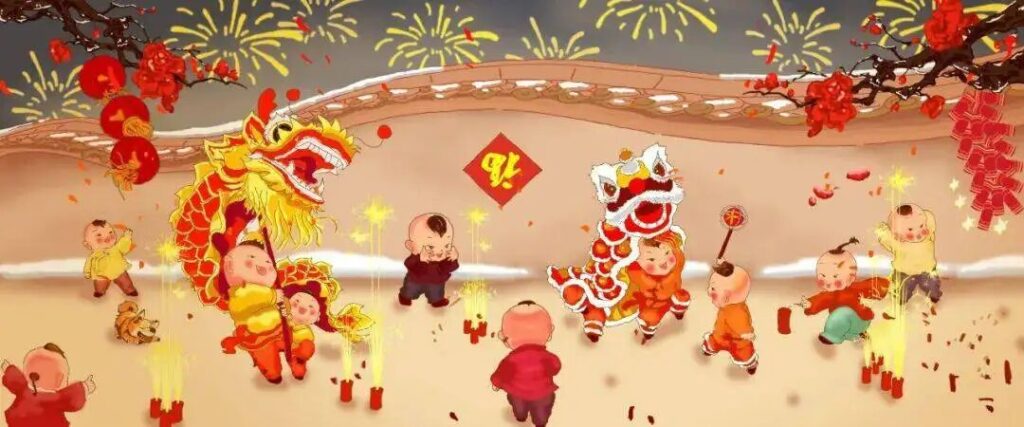
Chinese New Year is also known as the Spring Festival (Chūn Jié 春节), or Lunar New Year. It celebrates the beginning of the lunar calendar and marks the arrival of spring. In 2026, the festival begins on February 16 (New Year’s Eve) and lasts until March 3, when the Lantern Festival (Yuán Xiāo Jié 元宵节) brings the celebrations to a close on the first full moon of the year.
The opening week (February 17–23, 2026) is especially lively, as it is a national public holiday. Across the country, families reunite, cities glow in red decorations, fireworks light up the sky, and the festive atmosphere fills streets and homes alike.
Some of the most iconic celebrations include:
- Dragon and lion dances
- Fireworks and firecrackers
- Family reunion dinners
- Giving red envelopes
- Temple fairs and ancestral worship
The festival lasts about 15 days, but its spirit begins weeks before and lingers long after.
Color of the Festival: Red and Gold
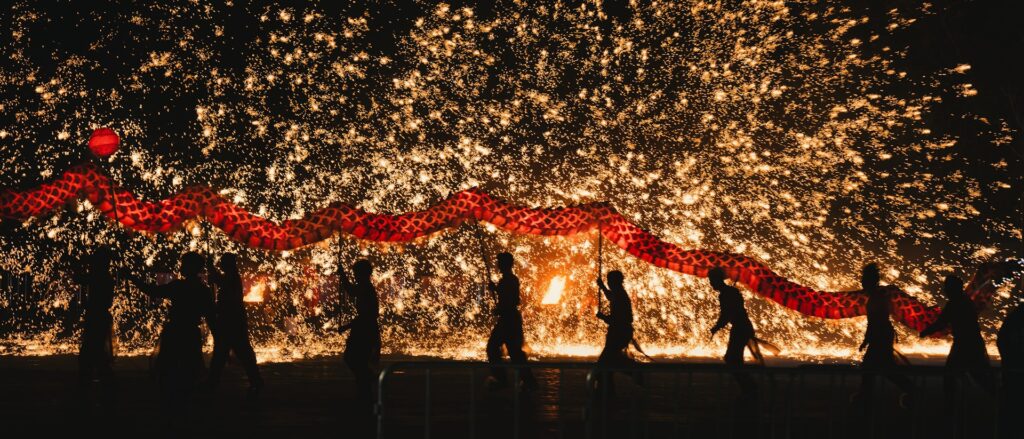
The dominant colors of the Spring Festival are red and gold.
Red represents happiness, vitality, and protection. In Chinese tradition, red is believed to ward off evil spirits and bring positive energy. During the New Year, homes, streets, and even clothing are filled with shades of bright Chinese red.
Gold symbolizes wealth, prosperity, and success. It reflects abundance and the hope for financial growth in the coming year. Gold is often paired with red in decorations, calligraphy, lantern tassels, and festive ornaments to amplify the meaning of fortune and prosperity.
Together, red and gold create a powerful visual language of celebration — warmth, reunion, wealth, and renewal.
Decorations at the Entrance
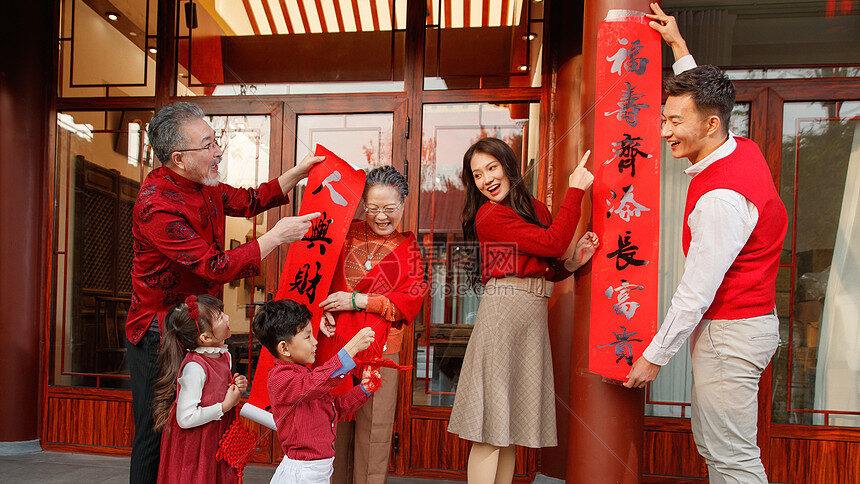
Spring Couplets (春联)
These poetic red banners are placed on both sides of the front door. They originated from ancient peach wood charms used to ward off evil spirits. Over time, they evolved into beautifully written lines of poetry expressing hopes for prosperity, happiness, and renewal. Spring couplets symbolize saying farewell to the old year and welcoming the new.
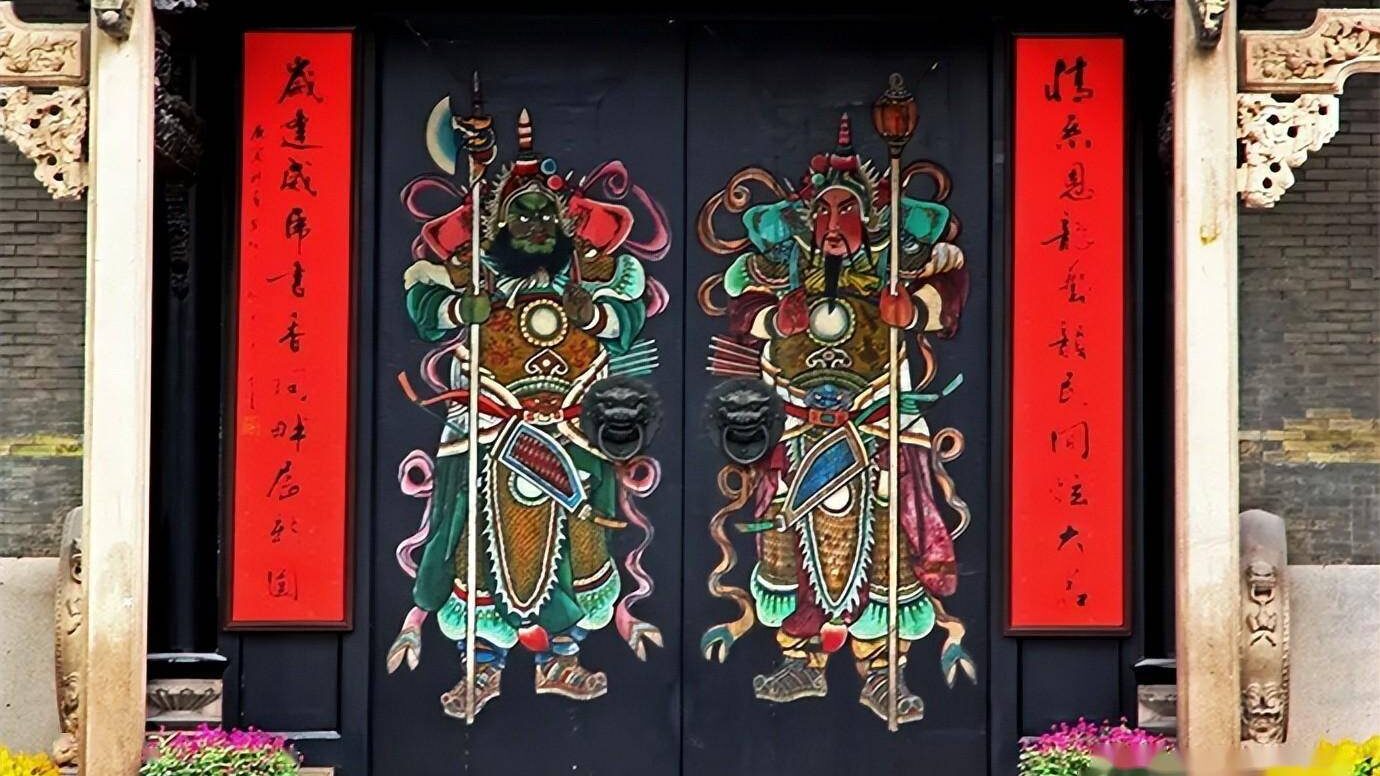
Door Gods (门神)
In addition to spring couplets, many families also paste images of Door Gods on their doors. Traditionally painted as powerful warriors, Door Gods are believed to guard the household and protect the family from evil spirits and misfortune. This custom dates back thousands of years in Chinese folklore. The presence of Door Gods at the entrance represents safety, strength, and spiritual protection for the year ahead.
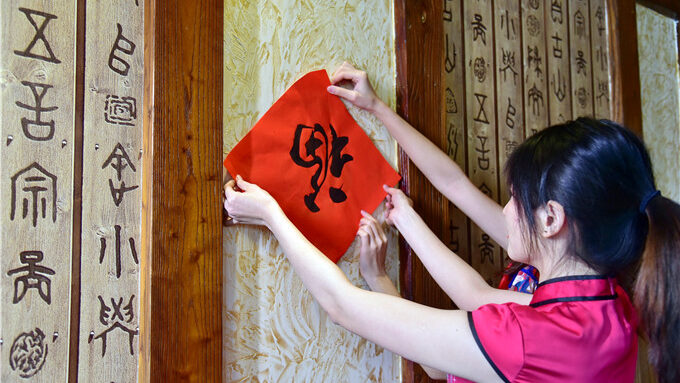
The Character “Fu” (福)
The character for “fortune”, 福 (pronounced: foo), is often pasted uʍop ǝpısdn on doors or windows. In Chinese, the word for “upside down” (倒, dào) sounds exactly like the word for “arrive” (到, dào). So when people paste the character upside down, it symbolizes that “good fortune has arrived.”
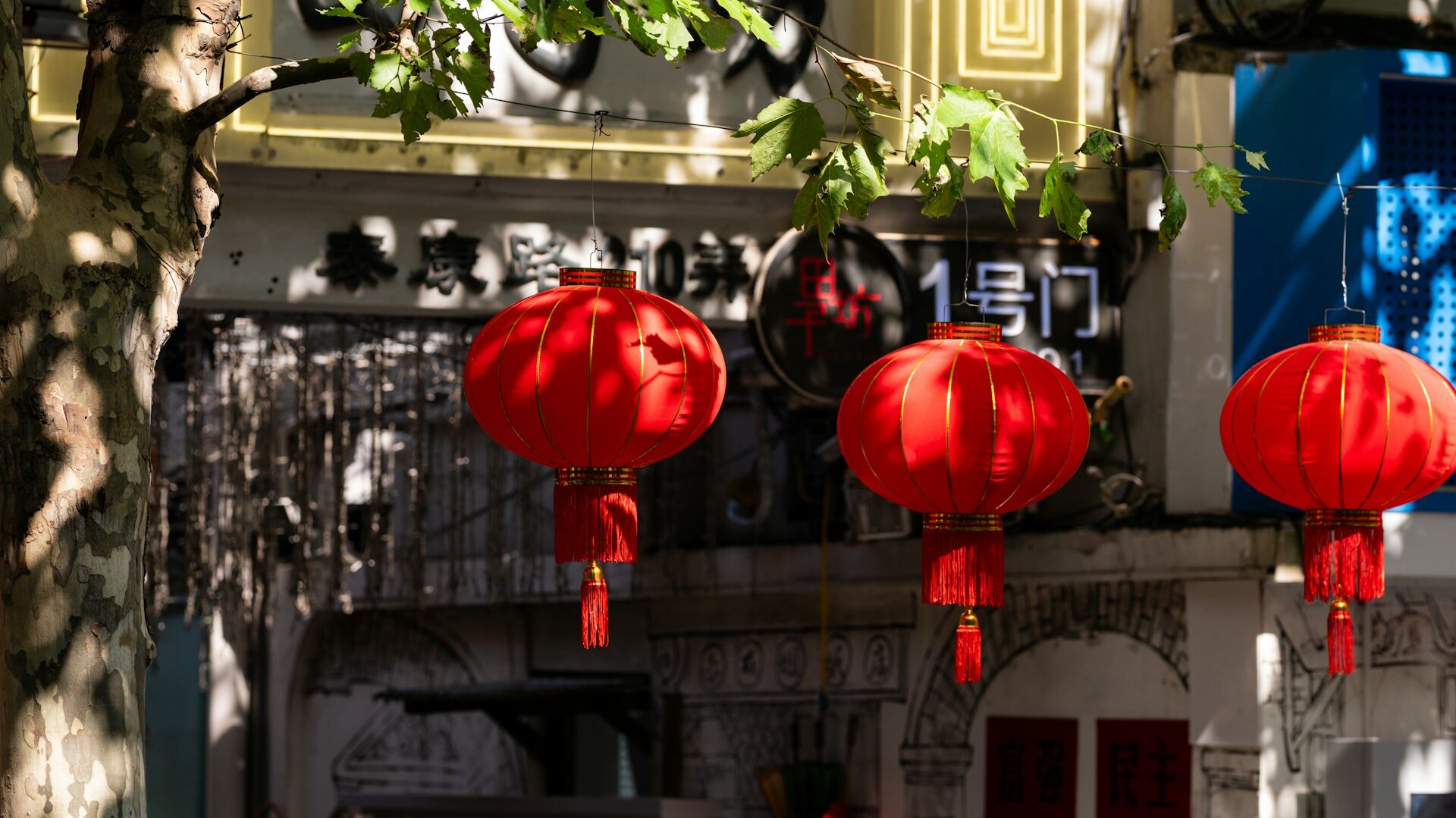
Red Lanterns (红灯笼)
Hanging lanterns represent reunion, warmth, and celebration. Streets across China glow with lanterns during this time.
New Year Flowers
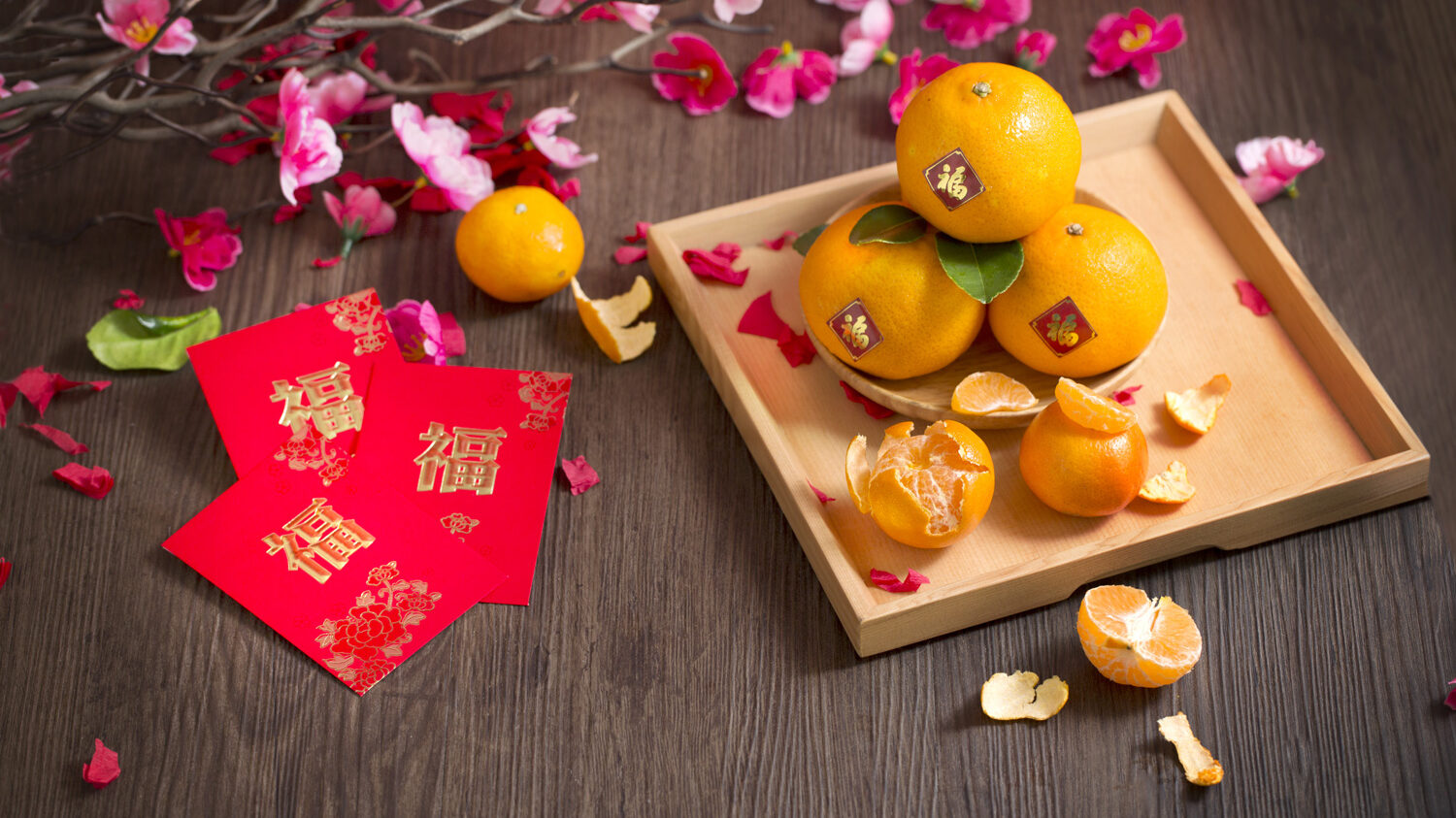
Flowers and small ornamental trees are an essential part of Spring Festival decoration. They symbolize renewal, prosperity, and the arrival of spring.
Peach blossoms (桃花) represent new beginnings, romance, and vitality. Their soft pink flowers are among the earliest signs of spring.
Mandarin oranges and kumquats (金橘/金桔) are especially popular during the Chinese New Year, because their names sound similar to the words for “gold” and “good fortune” in Chinese. These citrus fruits symbolize wealth and prosperity, and their bright orange fruits resemble small golden treasures.
Orchids (兰花) symbolize elegance, refinement, and harmony. They are often displayed in living rooms during the festival to reflect grace and good taste.
The Most Important Meal: New Year’s Eve Dinner (年夜饭)
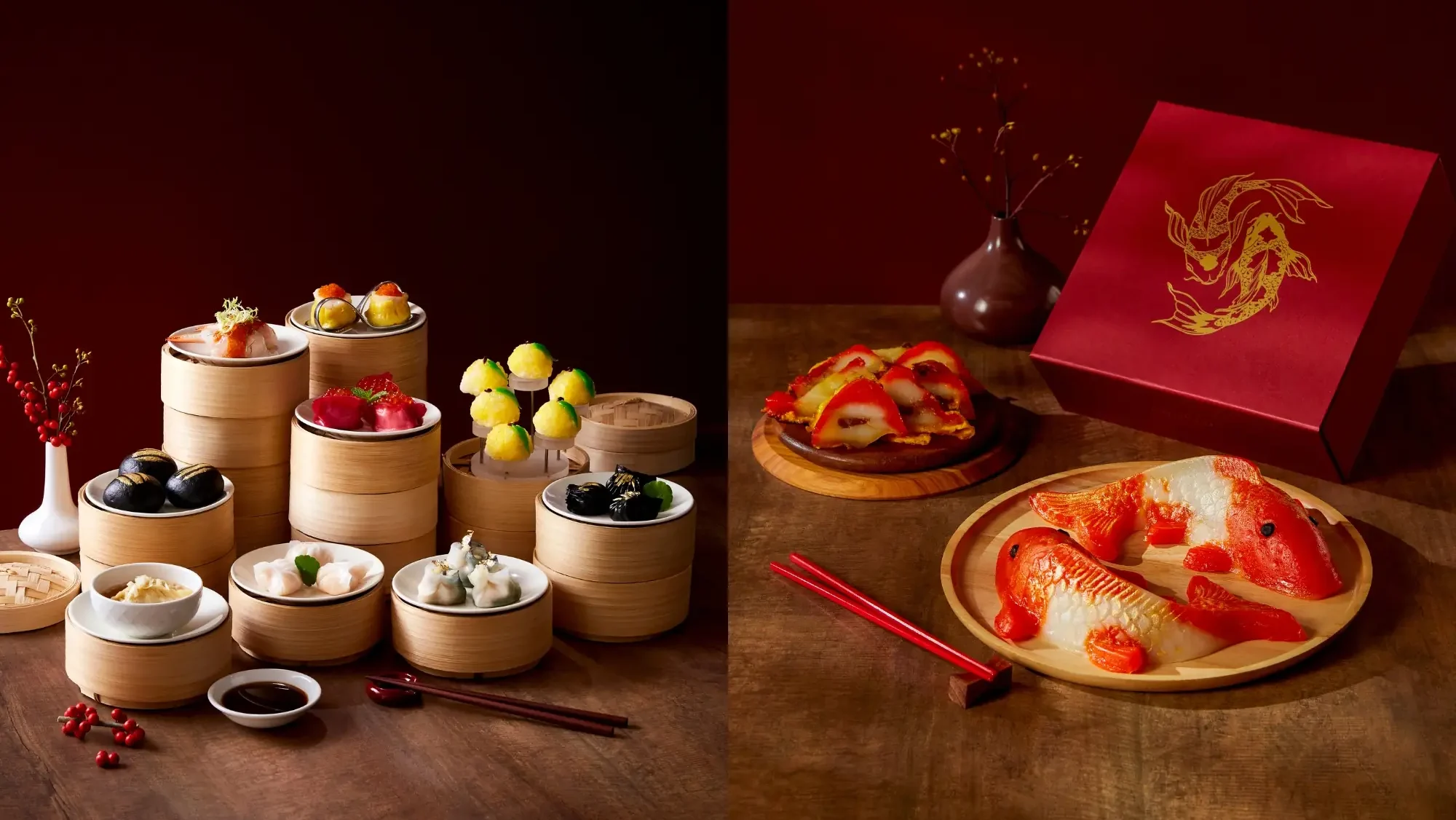
On New Year’s Eve, families gather for the reunion dinner (年夜饭), the most important meal of the year. More than just a feast, it is a symbol of unity and togetherness. Common festive dishes include:
Dumplings (饺子) — Their shape resembles ancient Chinese gold ingots, symbolizing wealth and prosperity. The word is also associated with the idea of transition, marking the moment when the old year gives way to the new.
Rice Cakes (年糕) — The pronunciation of nián gāo sounds like “higher year by year” in Chinese, expressing wishes for growth, improvement, and rising success in the coming year.
Food is never just food during Spring Festival — it is a language of blessings.
Traditions and Customs
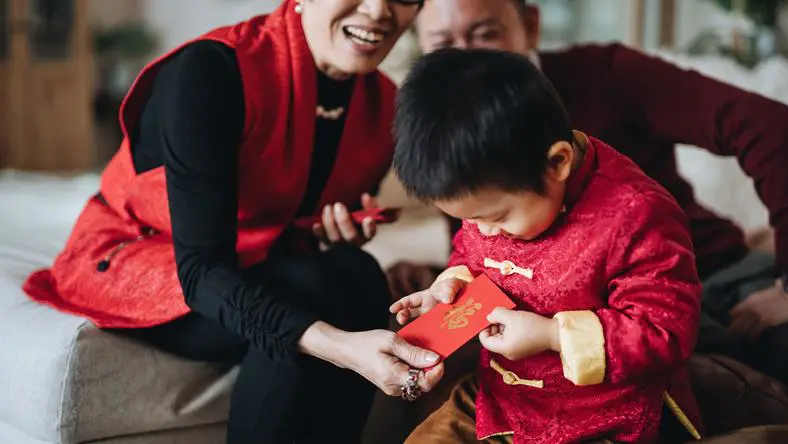
Red Envelopes (红包) — elders give money in red envelopes to children and younger family members as a blessing for health, protection, and good fortune. The color red symbolizes luck and is believed to ward off negative energy.
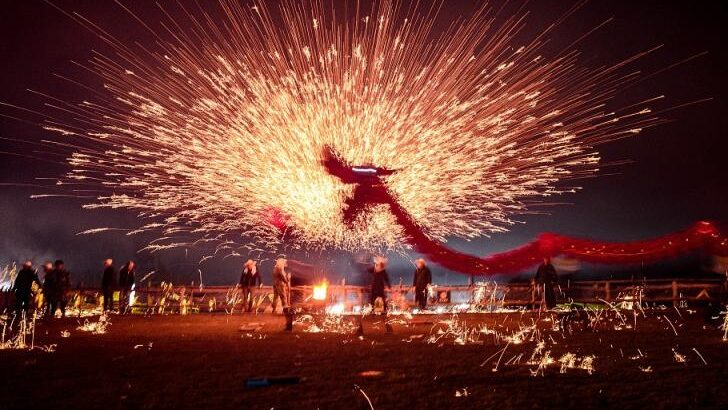
Firecrackers and Fireworks — according to legend, loud firecrackers were originally used to frighten away the mythical monster “Nian.” Today, fireworks continue to light up the sky as a joyful way to drive away bad luck and welcome a fresh beginning.
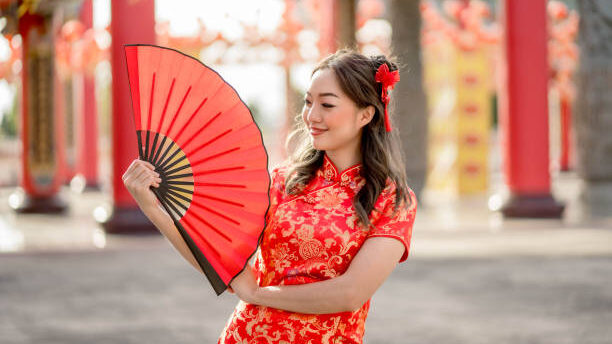
Wearing Red (especially during one’s zodiac year) — people often wear red clothing — sometimes even red underwear or socks — to invite good fortune and protection. This custom is especially common during one’s zodiac birth year, which is traditionally considered a year requiring extra luck.
If you were born in the Year of the Horse — or if you are turning 12, 24, 36, 48, or any multiple of 12 this year — this is your zodiac year. Embrace it with confidence. This is your year to shine!
2026: The Year of the Horse 🐴
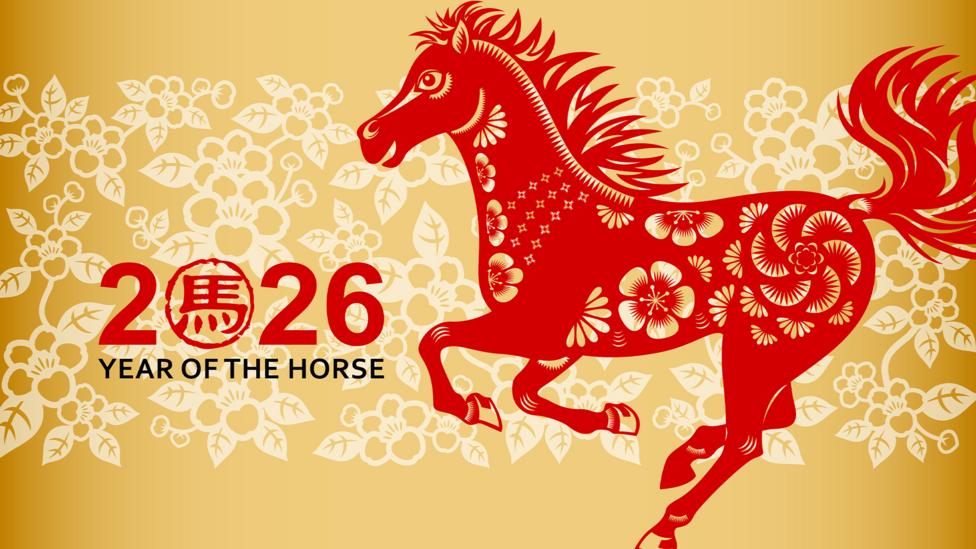
According to the Chinese zodiac, 2026 is the Year of the Horse.
The horse symbolizes freedom, vitality, energy, independence, enthusiasm, and ambition. It is seen as a year favorable for self-development and personal growth.
Across cities, you’ll see horse-themed decorations — from large illuminated horse sculptures in public squares to digital spring animations on city screens blending tradition with modern light technology. Today’s celebrations mix ancient symbols with contemporary creativity.
As we welcome the Year of the Horse, may it bring you vitality, courage, and success.
Wishing everyone a joyful and prosperous year ahead —
Good fortune, good health, and abundant happiness! 🐴✨